Are Your Industrial Doors Compliant with Current Workplace Safety Standards?
A practical guide to ensuring your industrial doors meet UK safety standards and keep your business protected
Know when it’s time to replace your industrial doors
Industrial doors play a vital role in keeping commercial buildings running efficiently and safely from securing warehouse entrances to maintaining temperature control in busy logistics centres. But when was the last time you checked if your industrial doors are actually compliant with current UK safety standards?
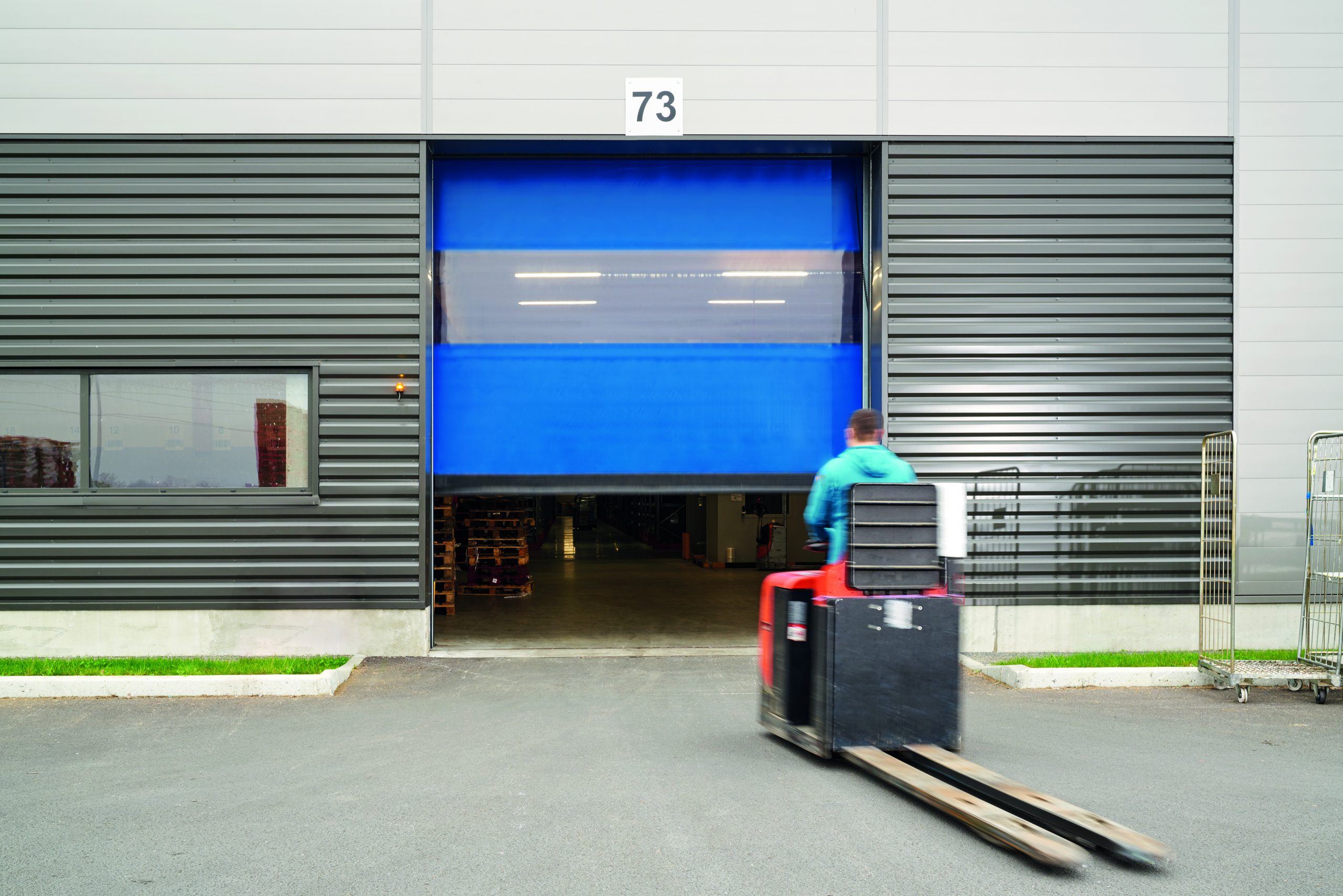
The reality is, workplace regulations have tightened in recent years, and many older or poorly maintained doors may no longer meet legal requirements. That can put your staff, your operations, and even your business liability at risk.
Here’s what you need to know to ensure your industrial doors are up to scratch.
Why Compliance Matters
Under UK law, all powered doors — including roller shutters, sectional overhead doors, and high-speed doors — are classed as workplace machinery. That means they fall under several health and safety regulations, including:
- The Health and Safety at Work etc. Act 1974
- The Provision and Use of Work Equipment Regulations 1998 (PUWER)
- The Workplace (Health, Safety and Welfare) Regulations 1992
- BS EN 12453 — the European safety standard for the use of power-operated doors
If your doors aren’t compliant with these standards, it can result in serious legal consequences if an accident occurs, especially involving staff, delivery drivers, or even members of the public.
Signs Your Industrial Doors Might Not Be Compliant
You don’t need to be an expert to spot when something’s not quite right. Here are a few warning signs that your doors may need attention:
- Lack of safety sensors or edge protection
If a powered door doesn’t stop or reverse when it meets an obstruction, it may not meet EN 12453 standards. - No scheduled maintenance
Industrial doors should be inspected and serviced regularly by qualified engineers. Without proof of this, compliance is hard to demonstrate. - Manual overrides not functioning
In the event of a power failure or emergency, all automatic doors should be able to open manually and safely. - No clear documentation
If you don’t have access to your door’s service history, technical file, or Declaration of Conformity, it’s time to put that right.
What the Standards Require
Let’s break down what current safety standards expect from industrial doors in the UK:
- EN 12453: This standard requires that doors stop or reverse when they detect a person or object. It also includes guidance on force limitation and the use of sensors to prevent entrapment.
- PUWER: Employers must ensure that any work equipment, including doors, is safe, properly maintained, and used correctly by trained staff.
- Workplace Regulations: These focus on general door safety, including ease of use, prevention of injuries, and proper maintenance to avoid hazards.
In short, if your door is powered, automatic, or frequently used in high-traffic areas, it must be assessed regularly for risks and kept in line with these requirements.
How to Get (and Stay) Compliant
Getting compliant doesn’t mean ripping everything out and starting again. In many cases, simple upgrades or proper maintenance can bring your doors up to the required standard.
Here’s how to stay on the right side of the law:
- Schedule a professional inspection — A qualified engineer can carry out a compliance check and identify any safety risks.
- Service regularly — Most industrial doors should be serviced at least once or twice a year, depending on usage.
- Keep documentation — Maintain clear service records and ensure your technical file is accessible.
- Train your staff — Make sure employees who operate or work around the doors know how to use them safely.
Peace of Mind for You and Your Business
If an accident happens involving a non-compliant door, the consequences can be severe — from fines and liability claims to serious injuries. But with the right checks and support, compliance is straightforward and protects everyone on site.
Here at Dorwingear, we provide compliant, professionally installed industrial doors across the UK and our maintenance team helps businesses stay within the rules long after installation. Whether you’re unsure about a door’s safety features or due a service, we’re here to help.


See More Articles Below